Organic Farming
Organic Farm to Table: Bringing Fresh Produce Home
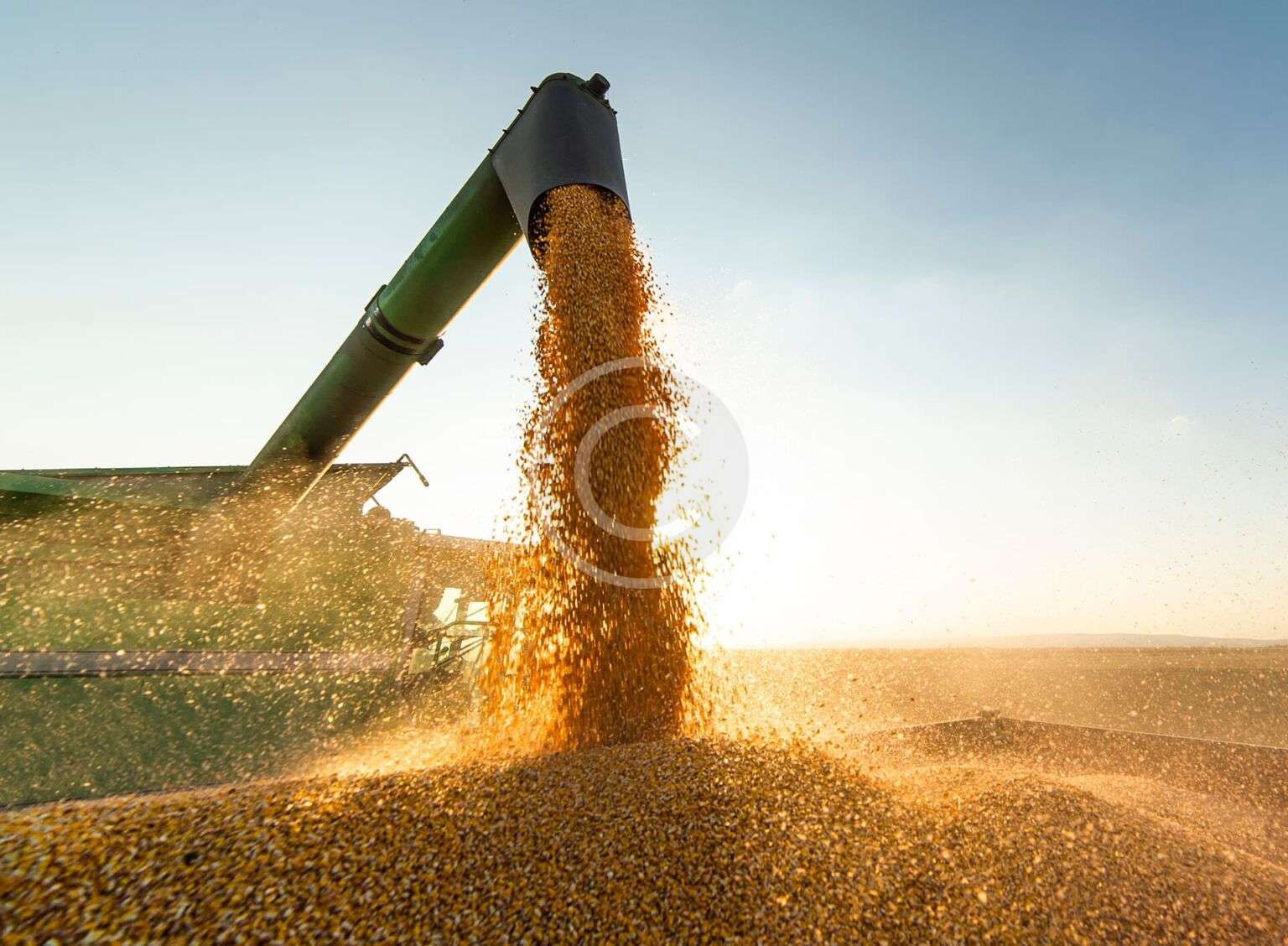
In today’s fast-paced world, people are becoming more conscious about what they eat and where their food comes from. The growing interest in healthy lifestyles has made organic farming and farm-to-table food increasingly popular. Consumers want fresh produce that is grown responsibly, handled carefully, and delivered with minimal processing.
The concept of "Farm to Table" is simple: food travels directly, or through a short supply chain, from the farm where it is grown to the consumer’s table. When combined with organic farming practices, this approach can provide fresh, nutritious, and responsibly produced food while supporting farmers and local communities.
Introduction:
Organic farming and farm-to-table practices are creating a stronger connection between farmers and consumers. Instead of food passing through several unnecessary stages, farm-to-table systems aim to create a more direct journey from agricultural fields to homes, markets, restaurants, and retailers.
This approach allows consumers to become more aware of the food they eat and the people responsible for producing it. From healthy soil and careful cultivation to harvesting, packaging, transportation, and delivery, every stage plays an important role in maintaining freshness and quality.
1. What Does Farm to Table Mean?
Farm to table refers to a food system that connects consumers more closely with agricultural producers. Instead of food traveling through a long and complicated supply chain, farm-to-table systems aim to shorten the distance between the farm and the final consumer.
A typical farm-to-table journey may include:
- Quality Seeds: Selecting suitable and high-quality seeds for healthy crop production.
- Responsible Farming: Growing crops using carefully managed and sustainable agricultural practices.
- Timely Harvesting: Harvesting fruits, vegetables, and other crops at the appropriate stage.
- Quality Handling: Sorting, cleaning, and handling fresh produce carefully after harvesting.
- Fresh Delivery: Transporting products efficiently so they can reach consumers in good condition.
"Fresh food begins with healthy soil, responsible farming, and a strong connection between the farm and the table."
2. Understanding Organic Farming:
Organic farming is an agricultural approach that focuses on healthy soil, responsible crop production, biodiversity, and sustainable farming methods. Organic agriculture generally restricts or avoids certain synthetic agricultural inputs and emphasizes natural and carefully managed farming practices.
Organic farming can involve several important practices, including:
- Organic Compost: Using compost and natural soil amendments to improve soil health.
- Crop Rotation: Rotating crops to support soil health and reduce pressure from pests and diseases.
- Natural Pest Management: Encouraging beneficial insects and using responsible methods to manage pests.
- Water Conservation: Managing water resources carefully and reducing unnecessary consumption.
- Biodiversity: Protecting natural ecosystems and encouraging diversity around agricultural land.
3. Why Fresh Produce Matters:
Fresh fruits and vegetables are an important part of a balanced diet. They provide essential vitamins, minerals, fiber, and other nutrients that support overall health and well-being.
Fresh produce can also make everyday meals more enjoyable by adding natural flavors, colors, aromas, and textures. Choosing fresh ingredients can encourage households to prepare a wider variety of nutritious meals.
Buying fresh produce from trusted farms and suppliers can help consumers:
- Enjoy seasonal fruits and vegetables.
- Discover locally grown varieties.
- Learn more about where their food comes from.
- Support farmers and agricultural communities.
- Make fresh ingredients part of everyday meals.
4. From the Farm to Your Kitchen:
The journey from an organic farm to your kitchen involves several important steps. Farmers invest time, knowledge, resources, and care into producing quality crops. Once produce is harvested, careful handling becomes equally important.
The journey generally includes:
- Growing with Care: Farmers prepare healthy soil and select crops according to local growing conditions.
- Harvesting: Produce is harvested at an appropriate stage to maintain quality and freshness.
- Sorting: Products are inspected and separated according to quality and condition.
- Packaging: Careful packaging helps protect produce during handling and transportation.
- Delivery: Fresh products are transported efficiently to markets, stores, restaurants, or homes.
5. Benefits of Choosing Organic Farm-to-Table Produce:
Choosing organic and responsibly sourced produce can provide benefits that go beyond individual consumers. It can strengthen the relationship between farmers, communities, businesses, and households.
Some important benefits include:
- Better Connection with Food: Consumers can learn more about how and where their food is produced.
- Support for Farmers: Purchasing from local farms and trusted suppliers helps support agricultural communities.
- Seasonal Eating: Farm-to-table systems encourage consumers to enjoy produce according to the growing season.
- Shorter Supply Chains: Fewer unnecessary supply-chain steps can help simplify the journey from farm to consumer.
- Sustainable Agriculture: Responsible farming practices can support long-term agricultural and environmental sustainability.
6. How to Bring the Farm-to-Table Lifestyle Home:
You do not need to completely change your lifestyle to enjoy the farm-to-table approach. Small and practical changes can help households make better use of fresh and seasonal ingredients.
Here are some simple ways to get started:
- Buy seasonal fruits and vegetables whenever possible.
- Visit local farmers' markets.
- Purchase produce from trusted farms and suppliers.
- Ask about farming, harvesting, and handling practices.
- Grow herbs or vegetables at home.
- Plan meals around fresh seasonal ingredients.
- Store fruits and vegetables correctly.
- Avoid purchasing more fresh produce than your household can consume.
- Use leftover vegetables creatively in soups, salads, rice dishes, and other meals.
7. Creating a Home Vegetable Garden:
One of the most rewarding ways to experience the farm-to-table lifestyle is to grow some of your own food. You do not need a large farm or backyard to get started. A small garden, balcony, rooftop, or collection of containers can provide enough space for herbs and selected vegetables.
Beginners can start with relatively simple crops such as:
- Mint
- Coriander
- Basil
- Green onions
- Tomatoes
- Chilies
- Lettuce
- Spinach
Growing food at home can help people understand how crops develop from seeds to harvest. It can also make cooking more enjoyable because meals can include ingredients grown and cared for at home.
8. The Importance of Food Quality and Traceability:
Consumers increasingly want transparency about the products they purchase. They want to know where food comes from, how it was produced, and how it was handled before reaching their homes.
Traceability can help build confidence throughout the food supply chain. A well-managed system can provide useful information about:
- The source of the produce.
- Farming and harvesting practices.
- Processing and handling.
- Packaging and storage.
- Transportation and distribution.
- Product quality and safety procedures.
For food businesses, maintaining consistent quality throughout the supply chain is essential for building long-term customer relationships and trust.
9. Reducing Food Waste:
Fresh produce is naturally perishable, which makes reducing food waste an important part of responsible food consumption. When food is wasted, the resources used to grow, harvest, transport, and store that food are also wasted.
Consumers can reduce food waste by:
- Making a shopping list before purchasing groceries.
- Buying quantities that the household can realistically consume.
- Storing produce according to its specific requirements.
- Using older produce before opening newer packages.
- Freezing suitable fruits and vegetables.
- Using ripe fruits for smoothies or homemade sauces.
- Using suitable vegetable scraps for stocks and soups.
- Composting unavoidable organic waste where appropriate.
10. Farm-to-Table and the Future of Food:
The farm-to-table movement represents a growing interest in freshness, transparency, sustainability, and stronger relationships within the food system. Modern technology is also changing how consumers connect with farms and food businesses.
Online marketplaces, digital ordering, home delivery, and direct-to-consumer platforms are making it easier for farms and food businesses to reach customers.
The future of farm-to-table food may provide consumers with more opportunities to:
- Order fresh produce directly from farms.
- Learn more about the source of their food.
- Discover seasonal produce.
- Support local agricultural businesses.
- Reduce unnecessary supply-chain steps.
- Make more informed food purchasing decisions.
11. Making Every Meal More Meaningful:
Farm-to-table is more than simply a food trend. It represents a connection between agriculture and everyday life. Every fruit, vegetable, grain, and agricultural product has a journey that begins with farmers, soil, water, seeds, and careful cultivation.
Choosing fresh and responsibly produced food allows consumers to become a more active part of that journey. Whether you purchase vegetables from a local farmer, visit a farmers' market, grow herbs at home, or choose seasonal produce, every step can create a stronger connection with the food on your plate.
12. Building a More Sustainable Food Connection:
The future of food depends on finding better ways to balance consumer needs, agricultural productivity, environmental responsibility, and food quality. Organic farming and farm-to-table practices can contribute to this goal by encouraging responsible production and greater awareness.
A stronger farm-to-table system can help create food networks that are:
- Fresh: Focusing on quality products and careful handling from harvest to consumption.
- Responsible: Encouraging thoughtful agricultural and food-management practices.
- Transparent: Helping consumers understand where their food comes from.
- Sustainable: Promoting better management of natural resources and agricultural land.
- Community-Focused: Creating stronger connections between farmers, businesses, and consumers.
Conclusion:
Organic farm-to-table living brings the journey of food closer to home. It connects consumers with farmers, encourages awareness of agricultural practices, promotes seasonal eating, and supports responsible approaches to food production and consumption.
Fresh produce begins with healthy soil, careful farming, timely harvesting, and responsible handling. By the time it reaches the kitchen, many people have contributed to its journey. Understanding this process can help consumers appreciate the value behind every fresh ingredient they purchase.
For consumers, embracing the farm-to-table concept can be as simple as choosing fresh seasonal produce, supporting local farmers, reducing food waste, and learning more about where food comes from.
Ultimately, bringing fresh produce home is not just about enjoying better ingredients. It is about building a more thoughtful relationship with food, agriculture, communities, and the environment — one meal at a time.