Sustainability
Organic Farm Challenges and How to Beat Them Easily
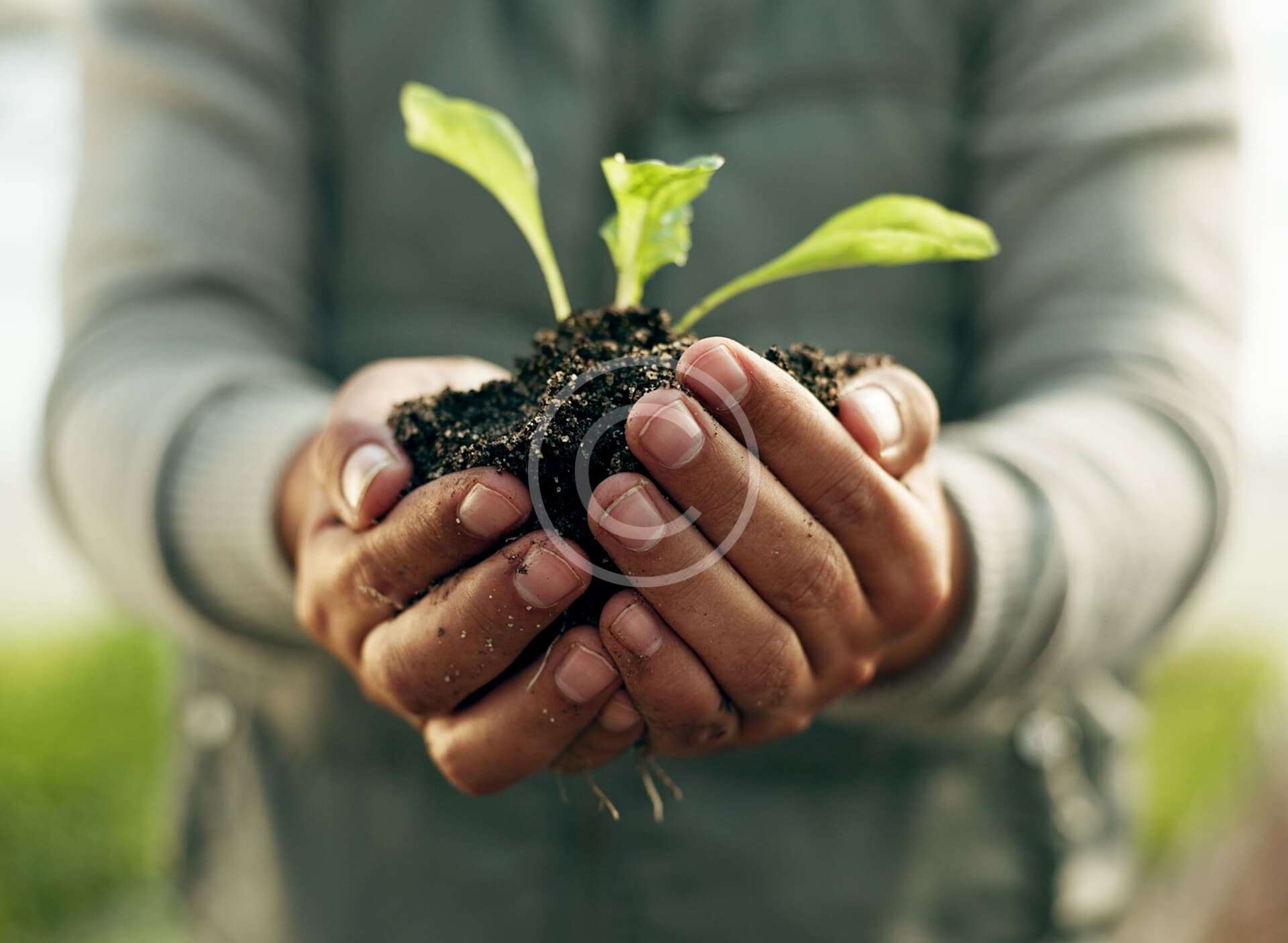
Organic farming is becoming increasingly important as people around the world look for healthier food, sustainable agricultural practices, and environmentally responsible production. While organic farming offers many benefits, it also comes with its own set of challenges. Farmers need to manage soil fertility, pests, weeds, water, weather conditions, labor, certification, and market demand without depending heavily on conventional chemical inputs. The good news is that most of these challenges can be managed with proper planning, modern technology, natural farming techniques, and consistent farm management. In this article, we will explore the major challenges faced by organic farms and practical ways to overcome them successfully.
Introduction:
Organic farming is more than simply avoiding synthetic fertilizers and pesticides. It is a complete approach to agriculture that focuses on maintaining healthy soil, protecting biodiversity, conserving natural resources, and producing quality food. Successful organic farming requires knowledge, patience, and a long-term commitment to sustainable practices. By understanding common problems and applying the right solutions, farmers can improve productivity while protecting the environment.
1. Maintaining Healthy Soil
Healthy soil is the foundation of every successful organic farm. One of the biggest challenges for organic farmers is maintaining soil fertility without depending on synthetic fertilizers. Crops continuously remove nutrients from the soil, so farmers need to replace those nutrients naturally.
The best solution is to build soil health through compost, animal manure, green manure, cover crops, and crop rotation. Organic matter improves soil structure, supports beneficial microorganisms, and helps the soil retain moisture. Regular soil testing can also help farmers understand nutrient levels and make better decisions about natural soil amendments.
2. Managing Pests Naturally
Pest control can be one of the most difficult parts of organic farming. Conventional farms often depend on chemical pesticides, while organic farming focuses on natural and approved alternatives. If pests are not identified and controlled early, they can seriously affect crop quality and production.
Farmers can manage pests through integrated pest management, crop rotation, beneficial insects, natural predators, physical barriers, and approved organic pest-control products. Regular crop inspection is also important because early detection allows farmers to take action before an infestation becomes difficult to control.
- Inspect crops regularly for signs of pests.
- Encourage beneficial insects and natural predators.
- Use crop rotation to interrupt pest cycles.
- Use approved organic pest-control methods when necessary.
3. Controlling Weeds Without Chemicals
Weeds compete with crops for sunlight, water, nutrients, and space. Since many conventional herbicides are not suitable for organic production, weed management can require additional time and labor.
Farmers can control weeds through mulching, hand weeding, mechanical cultivation, cover crops, and proper crop spacing. Preventing weeds before they produce seeds is especially important because it can significantly reduce weed pressure in future growing seasons.
4. Dealing With Unpredictable Weather
Weather is one of the biggest risks in agriculture. Drought, excessive rainfall, strong winds, heat waves, and unexpected temperature changes can affect organic crops just as they affect conventional crops. Climate changes can make these conditions even more unpredictable.
Farmers can improve resilience by selecting crops that are suitable for their local climate, improving soil organic matter, using efficient irrigation, maintaining biodiversity, and monitoring weather forecasts. Healthy soil also plays an important role because soil rich in organic matter can hold water more effectively during dry periods.
5. Efficient Water Management
Water is essential for crop growth, but inefficient irrigation can lead to unnecessary water consumption and higher production costs. Organic farms need to use water carefully while ensuring that crops receive enough moisture.
Drip irrigation, rainwater harvesting, mulching, and soil-moisture monitoring can help farmers improve water efficiency. Irrigating according to crop requirements rather than following a fixed schedule can also reduce water waste.
6. Managing the Transition to Organic Farming
Farmers converting from conventional farming to organic production may face difficulties during the transition period. Soil health may take time to improve, and farmers may need to learn new techniques for fertilization, pest control, weed management, and crop rotation.
The transition should be carefully planned instead of making sudden changes. Farmers should gradually improve soil fertility, introduce organic inputs, establish crop rotations, and monitor farm performance. Patience is important because organic farming is a long-term process rather than an overnight transformation.
7. Higher Labor Requirements
Organic farms can sometimes require more manual labor, especially for weed control, crop inspection, harvesting, and pest monitoring. Increased labor requirements can raise operational costs and make farm management more difficult.
Farmers can reduce this challenge by improving planning, using suitable agricultural machinery, adopting efficient irrigation systems, and using technology wherever practical. Proper scheduling can also prevent unnecessary labor and make daily farm activities more efficient.
8. Finding Quality Organic Inputs
Reliable access to high-quality organic seeds, compost, natural fertilizers, and approved crop-protection products can sometimes be difficult. Poor-quality inputs may negatively affect crop growth and overall farm performance.
Farmers should work with reliable suppliers and carefully check the quality and suitability of agricultural inputs. Producing compost and other organic materials on the farm can also reduce costs and create a more self-sufficient farming system.
9. Certification and Record Keeping
Organic certification can be another challenge, particularly for farmers who want to supply certified organic products to larger markets. Certification may require detailed records related to seeds, fertilizers, pest-control methods, farm activities, harvesting, and storage.
Good record keeping makes the process much easier. Farmers should maintain clear information about everything used and done on the farm. Digital tools and farm-management software can simplify record keeping and help farmers stay organized.
10. Reaching the Right Market
Producing quality organic food is only part of running a successful farm business. Farmers also need access to customers who understand the value of organic products and are willing to pay a fair price for them.
Building relationships with retailers, wholesalers, food companies, restaurants, and direct consumers can create better opportunities. Attractive packaging, reliable quality, clear product information, and strong branding can also help organic products compete in the market.
11. Building Consumer Trust
Consumers increasingly want transparency about the food they purchase. They want to know where products come from, how they are produced, and whether sustainability claims can be trusted.
Farmers and food businesses can build consumer confidence by maintaining transparent production practices, providing accurate product information, following applicable organic standards, and maintaining consistent quality. Trust is especially important when developing long-term relationships with customers and business partners.
12. Using Technology in Organic Farming
Modern technology can make organic farming easier, more efficient, and more productive. Technology does not have to replace natural farming practices. Instead, it can help farmers make better decisions and use resources more efficiently.
- Use soil testing to understand nutrient requirements.
- Monitor weather conditions and crop health.
- Use smart irrigation systems to reduce water waste.
- Maintain digital records of farm activities.
- Use modern equipment for efficient field operations.
- Analyze farm data to improve future production decisions.
13. The Importance of Proper Farm Planning
Proper planning can prevent many problems before they become serious. Farmers should plan planting schedules, crop rotation, irrigation, pest monitoring, harvesting, storage, and marketing well in advance.
A clear farm plan also helps control costs and improve productivity. Farmers who regularly review their results can identify what is working and make improvements in the next growing season.
How to Overcome Organic Farming Challenges Easily
There is no single solution that can solve every organic farming problem. However, combining simple and consistent practices can make farming much easier and more profitable. The key is to focus on prevention rather than waiting for problems to become serious.
- Build and maintain healthy soil with organic matter.
- Monitor crops regularly to identify problems early.
- Use natural pest-control and weed-management methods.
- Improve water efficiency through smart irrigation.
- Use crop rotation and biodiversity to protect crops.
- Maintain accurate farm and production records.
- Adopt useful technology to improve efficiency.
- Build strong relationships with reliable suppliers and buyers.
- Continue learning about modern organic farming practices.
Conclusion
Organic farming has many challenges, but with proper planning, knowledge, and sustainable practices, farmers can overcome them successfully. Healthy soil, natural pest management, efficient water use, responsible resource management, modern technology, and strong market relationships are all important for building a successful organic farm.
The future of organic farming depends on combining traditional agricultural knowledge with modern innovation. Farmers who focus on soil health, environmental responsibility, product quality, and efficient management can create farms that are productive and sustainable for the long term. Instead of seeing organic farming challenges as obstacles, they can be treated as opportunities to improve farming methods and build a stronger agricultural future.
“Successful organic farming is not about avoiding challenges; it is about managing them with knowledge, patience, and sustainable solutions.”