Farm Life
The Future of Dairy Farming Today
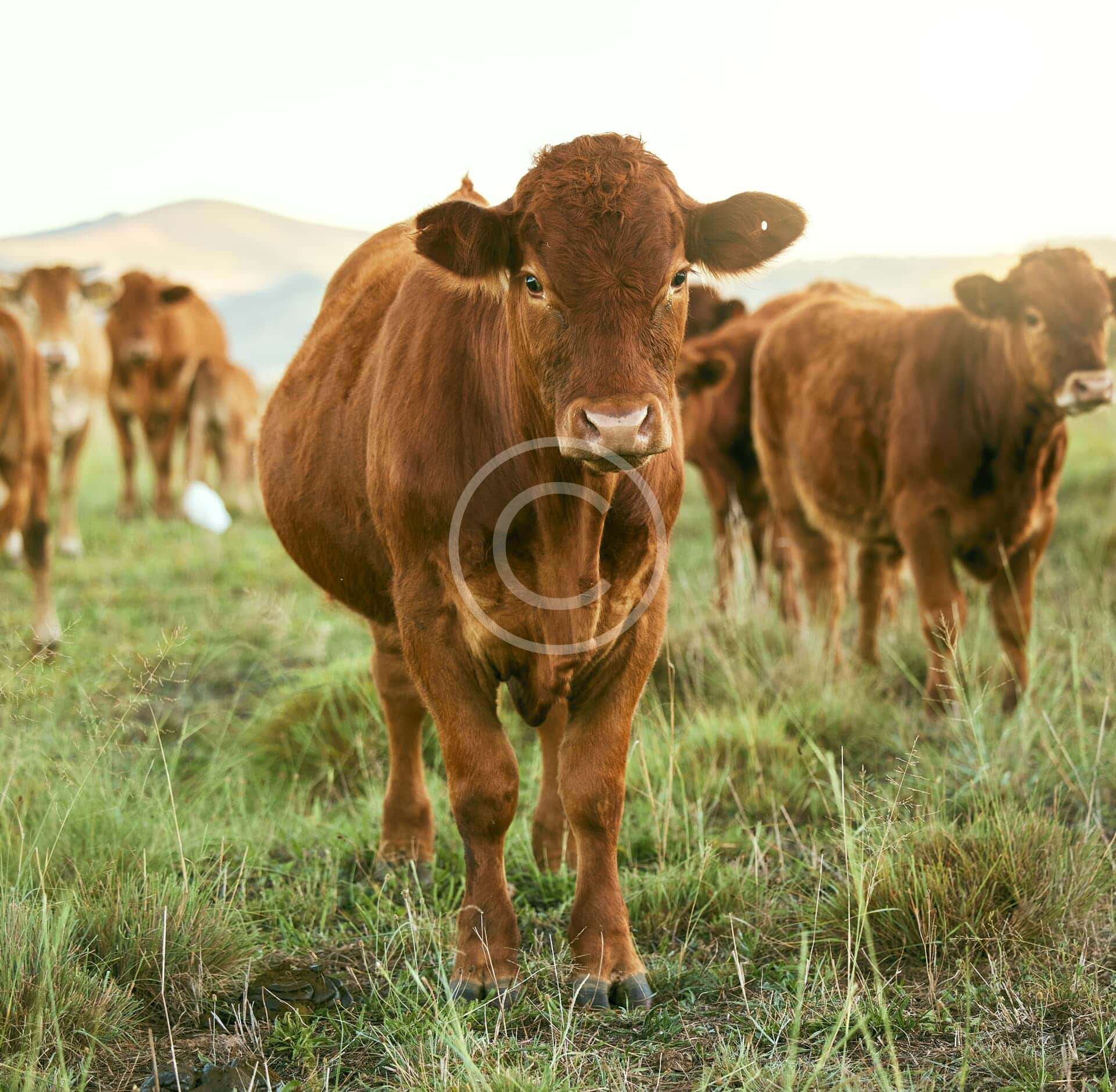
The future of dairy farming is being shaped by technology, sustainability, animal welfare, and changing consumer expectations. From traditional family farms to modern commercial dairy operations, the industry is evolving rapidly. Farmers are adopting smarter tools, better feeding practices, advanced monitoring systems, and sustainable farming methods to improve productivity while maintaining high standards of animal care and milk quality.
Modern dairy farming is no longer focused only on producing more milk. It is about producing high-quality dairy products efficiently, responsibly, and sustainably. With the help of technology and scientific farming practices, dairy farmers can make better decisions, improve animal health, reduce waste, and use natural resources more efficiently.
Introduction:
Dairy farming has been an important part of agriculture for centuries, providing milk and other nutritious dairy products to communities around the world. While traditional farming knowledge remains valuable, modern dairy farming is increasingly combining experience with technology, data, science, and innovation.
The dairy farms of the future will be more connected, efficient, sustainable, and data-driven. Farmers will have access to better information about animal health, nutrition, milk production, farm operations, and environmental conditions. This will allow them to make informed decisions and respond quickly to challenges.
1. The Changing Landscape of Dairy Farming:
Dairy farming has traditionally relied on farmers' experience and hands-on management. Today, this knowledge is being combined with modern technology and scientific research to create more efficient and productive farming systems.
Modern dairy farms are increasingly focusing on:
- Better Animal Health: Regular monitoring and preventive care help maintain healthier and more productive herds.
- Production Efficiency: Modern equipment and improved processes help farmers produce more efficiently.
- Smart Resource Management: Water, feed, energy, and other resources are managed more carefully to reduce waste.
- Sustainable Farming: Farmers are adopting environmentally responsible practices for long-term sustainability.
"The future of dairy farming lies in combining the wisdom of traditional farming with the possibilities created by modern technology and sustainable innovation."
2. Technology at the Heart of Modern Dairy Farming:
Technology is transforming almost every part of dairy farming. Automated milking systems, smart sensors, wearable devices, digital farm-management software, and data analytics are helping farmers monitor their operations more effectively.
Some of the technologies shaping modern dairy farming include:
- Automated Milking Systems: Automation can make milking more efficient while providing useful production data.
- Smart Sensors: Sensors can monitor animal activity, behavior, health indicators, and other important information.
- Artificial Intelligence: AI and data analysis can help identify patterns and support better farm-management decisions.
- Digital Farm Management: Digital platforms can help farmers manage records, feeding, production, health, and operational activities.
3. Improving Animal Health and Welfare:
Healthy animals are at the center of successful dairy farming. The future of the industry will continue to place greater emphasis on animal welfare, comfort, nutrition, veterinary care, and stress reduction.
Modern dairy farms are focusing on several important areas:
- Balanced Nutrition: Providing animals with appropriate nutrients to support health and productive performance.
- Clean Water: Ensuring animals have regular access to clean and fresh drinking water.
- Comfortable Housing: Maintaining clean, safe, and comfortable living conditions.
- Preventive Veterinary Care: Regular monitoring and preventive healthcare can help identify problems early.
4. Sustainable Dairy Farming:
Sustainability is becoming one of the most important priorities in agriculture. Dairy farmers are exploring new ways to reduce waste, improve resource efficiency, and minimize the environmental impact of their operations.
Sustainable dairy farming can include:
- Efficient Water Management: Using water responsibly and reducing unnecessary consumption.
- Renewable Energy: Solar and other renewable energy sources can help reduce dependence on conventional energy.
- Waste Management: Responsible management of manure and farm waste can reduce environmental impact.
- Soil Health: Responsible land and manure management can support healthier agricultural soils.
5. The Importance of Smart Feeding:
Feed is one of the most important factors affecting animal health, milk production, and farm profitability. Modern feeding systems are helping farmers provide more balanced nutrition while reducing unnecessary feed waste.
Smart feeding practices can help farmers:
- Improve Nutrition: Provide animals with balanced diets according to their nutritional requirements.
- Reduce Waste: Better planning can minimize unused or unsuitable feed.
- Improve Feed Efficiency: Efficient feeding can support consistent production and healthier animals.
- Control Costs: Better feed management can contribute to improved farm economics.
6. Genetics and Better Breeding:
Genetic improvement is another area that can contribute to the future development of dairy farming. Modern breeding programs can help farmers select animals with desirable characteristics related to health, productivity, fertility, and efficiency.
Future breeding programs may focus on:
- Improved animal health and disease resistance
- Better feed efficiency
- Improved fertility and herd performance
- Better adaptability to environmental conditions
- Consistent and sustainable milk production
7. Digital Farming and Data-Driven Decisions:
Data is becoming an increasingly valuable resource in modern dairy farming. Farmers can collect information from milking systems, sensors, veterinary records, feeding systems, and farm-management software.
Farm data can help monitor:
- Milk production and quality
- Animal activity and behavior
- Feed consumption
- Animal health indicators
- Farm operating costs
- Equipment performance
By analyzing this information, farmers can identify potential problems earlier, understand farm performance, and make better operational decisions.
8. Robotics and Automation:
Automation is expected to become increasingly important as dairy farms look for ways to improve efficiency and manage labor challenges. Robotics can support farmers with repetitive and time-consuming tasks.
Automation can be used for:
- Milking operations
- Animal feeding
- Cleaning systems
- Manure management
- Farm monitoring
- Routine farm operations
However, technology should complement skilled farmers rather than replace them. Human experience, observation, and decision-making will remain essential to successful dairy operations.
9. Changing Consumer Expectations:
Consumers are becoming more interested in where their food comes from and how it is produced. Food safety, product quality, animal welfare, sustainability, and transparency are becoming increasingly important factors.
Modern consumers increasingly value:
- Food safety and consistent product quality
- Responsible animal care
- Environmentally responsible farming
- Product traceability
- Transparency throughout the supply chain
10. Challenges Facing the Dairy Industry:
Although the future offers many opportunities, dairy farmers will also face several challenges. Rising production costs, climate-related pressures, labor shortages, changing regulations, and animal health concerns can affect farm operations.
Some of the major challenges include:
- Increasing feed and operational costs
- Climate and environmental pressures
- Availability of skilled farm workers
- Changing agricultural regulations
- Animal health and disease management
- Access to affordable modern technology
11. The Human Side of Future Dairy Farming:
While technology will play a major role in the future of dairy farming, people will remain at the heart of the industry. Farmers will need to understand both traditional agricultural practices and modern technologies.
Future dairy farmers will benefit from knowledge in:
- Modern animal management
- Digital farming technologies
- Farm business management
- Sustainable agriculture
- Data analysis and decision-making
- Food safety and quality standards
12. A More Efficient and Responsible Future:
The future of dairy farming is not about choosing between traditional knowledge and modern technology. Instead, it is about combining the strengths of both. Farmers have valuable experience in understanding animals, land, seasons, and local conditions, while modern technology provides powerful tools for monitoring, automation, analysis, and improved decision-making.
Together, these approaches can help create dairy farms that are:
- Smarter: Using technology and data to make better decisions.
- More Efficient: Using feed, water, energy, and labor more effectively.
- More Sustainable: Reducing waste and environmental impact.
- More Animal-Friendly: Prioritizing animal health, comfort, and welfare.
- More Transparent: Providing consumers with greater information about food production.
Conclusion:
The future of dairy farming is being shaped by innovation, sustainability, animal welfare, and data-driven decision-making. Technologies such as automation, smart sensors, artificial intelligence, precision feeding, and digital farm management are creating new opportunities for farmers around the world.
At the same time, responsible animal care and sustainable farming practices will remain essential. Farmers will need to balance productivity with environmental responsibility while responding to changing consumer expectations and market demands.
The dairy farms of tomorrow will likely be more connected, intelligent, efficient, and environmentally responsible. However, technology alone will not determine their success. The combination of skilled farmers, healthy animals, quality management, sustainable practices, and continuous innovation will shape the future of the dairy industry.
By embracing innovation while maintaining a strong commitment to quality, animal welfare, and sustainability, dairy farming can continue to evolve and contribute to a stronger, healthier, and more responsible food system for future generations.